Flooring Companies Near Me Westmont | Peter Flooring
Masonry contractors near me Chicago
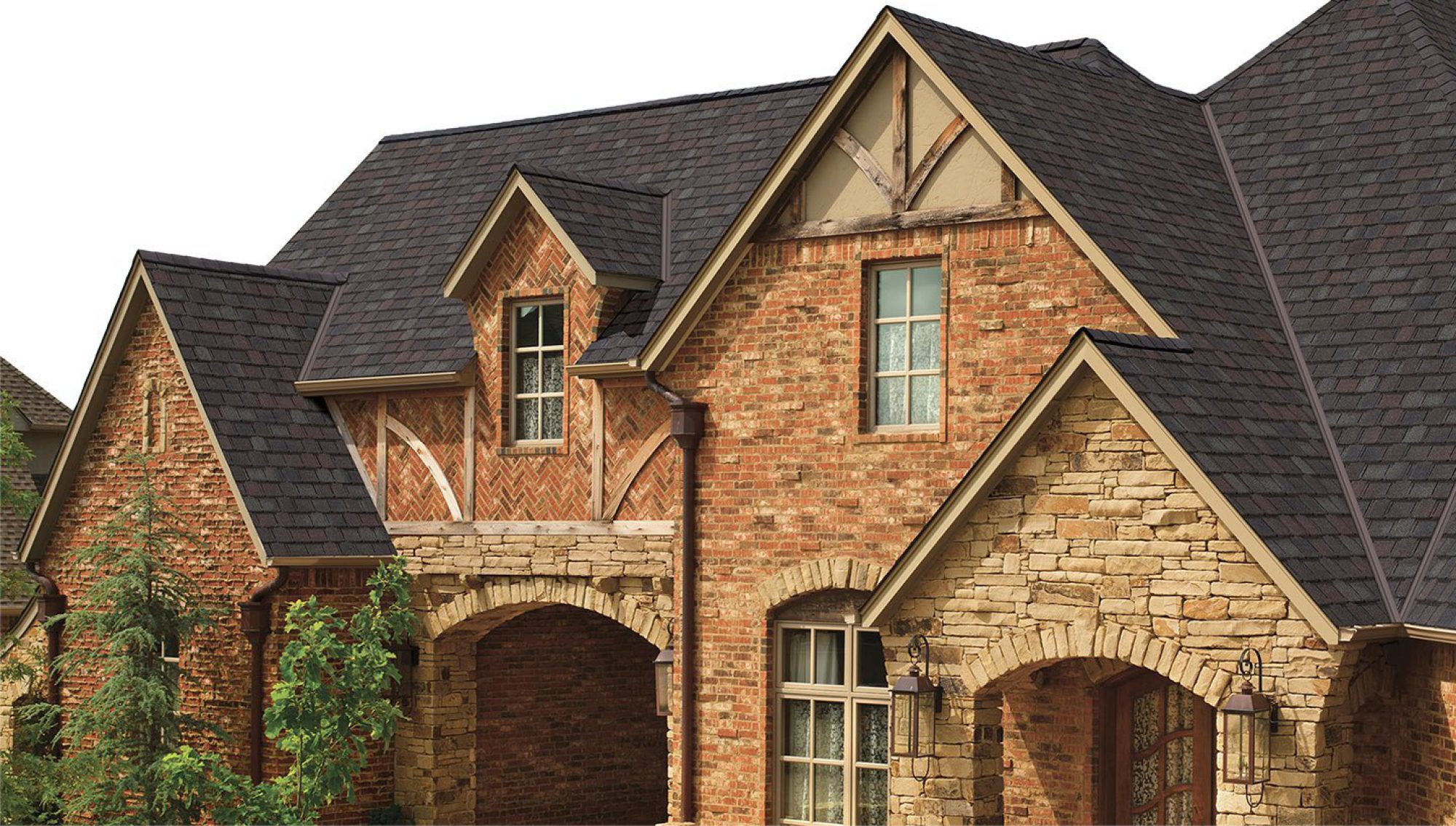
Brick and stone structures lend enduring charm and strength to any property. Whether it’s a picturesque brick exterior, a stone walkway, or a masonry fireplace, maintaining them properly is crucial to preserve both their visual appeal and structural soundness. Consistent maintenance not only boosts curb appeal but also prolongs the life of your masonry. Here are some key maintenance strategies to ensure your brickwork remains looking new.
1. Consistent Cleaning
Gentle Washing Techniques
Bricks and stones can gather dirt, grime, moss, and algae over time, which can dull their appearance. Regular cleaning helps keep them looking vibrant.
- Soft Brushing or Sweeping: Begin by gently removing loose debris with a soft brush or broom.
- Use Mild Cleaners: Combine water with a mild detergent solution. Avoid harsh chemicals that might damage the masonry.
- Low-Pressure Washing: For stubborn stains, a low-pressure washer can be effective. High pressure may erode mortar and harm the bricks.
Steer Clear of Harsh Chemicals
Avoid using bleach or acidic cleaners as they can degrade mortar and weaken the masonry. Opt for environmentally friendly and masonry-safe cleaning agents instead.
2. Routine Damage Inspections
Identify Cracks and Chips
Regular inspections help spot minor problems before they become major issues.
- Examine Mortar Joints: Look for gaps, cracks, or missing mortar between bricks. Damaged mortar can threaten the structure’s stability.
- Inspect Bricks and Stones: Check for any cracked or chipped bricks and stones. Early detection facilitates timely repairs.
Manage Water Damage
Water infiltration can cause significant issues like efflorescence, spalling, and freeze-thaw damage.
- Ensure Proper Drainage: Make sure gutters and downspouts divert water away from masonry walls.
- Seal Surfaces: Apply a breathable masonry sealant to protect against moisture while allowing the walls to breathe.
3. Prompt Minor Repairs
Repointing Mortar Joints
Repointing involves removing damaged mortar and replacing it with new mortar to restore the masonry’s integrity.
- Remove Old Mortar: Carefully eliminate deteriorated mortar using a chisel, hammer, or mortar removal tool to a depth of about an inch.
- Apply Fresh Mortar: Mix mortar to match the original color and texture. Fill the joints thoroughly to ensure a strong bond.
- Shape the Joints: Use a jointing tool to shape the mortar, matching the existing profile and enhancing water resistance.
Replace Damaged Bricks or Stones
Cracked or severely damaged bricks or stones may need replacement.
- Careful Extraction: Gently remove the damaged piece without disturbing the surrounding masonry.
- Choose Matching Materials: Select replacement bricks or stones that match in color, size, and texture.
- Proper Installation: Secure the new piece with fresh mortar, blending it seamlessly with the existing structure.
4. Preventive Strategies
Apply a Masonry Sealant
A quality sealant can protect brick and stone from moisture, stains, and UV damage.
- Select the Appropriate Sealant: Choose a breathable sealant that allows moisture to escape while preventing water ingress.
- Reapply Periodically: Depending on the product and exposure, reseal every 3-5 years to maintain protection.
Control Vegetation Growth
Vines and plants can trap moisture and put pressure on masonry.
- Regular Trimming: Keep plants trimmed and away from masonry surfaces.
- Install Barriers: Use physical barriers to prevent direct contact between vegetation and brickwork.
5. Seasonal Upkeep
Winter Maintenance
Protect masonry from freeze-thaw cycles, which can cause cracking and spalling.
- Remove Snow and Ice Carefully: Gently clear snow and ice without using metal tools that can scratch the surface.
- Prevent Water Pooling: Ensure proper drainage to avoid water accumulation around the base.
Summer Maintenance
High temperatures and intense sunlight can dry out mortar and fade bricks.
- Inspect During Dry Periods: Utilize dry weather to perform thorough inspections and address any issues.
- Ensure Adequate Ventilation: For indoor masonry features like fireplaces, ensure proper ventilation to prevent moisture buildup.
6. Engage Masonry Contractors for Professional Inspections
While regular DIY maintenance is effective, hiring masonry contractors near me Chicago for periodic professional inspections can uncover hidden issues that might go unnoticed.
- Hire Experienced Masonry Contractors: Professionals can assess the overall condition, perform detailed repairs, and suggest advanced preservation techniques.
- Schedule Annual Check-Ups: Especially for older structures, annual inspections by masonry contractors help maintain structural integrity and aesthetic appeal.
Caring for brick and stone structures requires ongoing attention and meticulous effort. By implementing these masonry maintenance tips—regular cleaning, timely repairs, preventive measures, and seasonal upkeep—you can ensure your brickwork remains beautiful and robust for many years. Investing in maintenance not only preserves your property’s visual allure but also maintains its structural health, providing lasting value and enjoyment.
By following these guidelines, homeowners and property managers can preserve the timeless elegance of masonry while minimizing costly repairs, with the assistance of skilled masonry contractors to maintain and enhance their brick and stone structures.
Excavation Contractors Near Me Skokie | Arkana Construction
Dental Implant Courses Fort Worth | TCP Implant Marathon
Dental Implant Courses Hamilton | TCP Implant Marathon
Adwokat Chicago | KS Law Group LLC
Public Adjuster Near Me Orland Park | Public Adjusters Group
Flooring Companies Near Me Lombard | Solid Flooring
Siding contractors near me in Naperville
Siding serves as a protective barrier for your home against weather elements and plays a role in energy efficiency. However, over time, exposure to environmental conditions can cause even the most resilient siding to deteriorate. Knowing when to call siding contractors near me in Naperville for repair or replacement can help maintain your home’s safety and appearance. Here are some signs your siding needs professional attention.
- Warping or Bulging
Warping or bulging siding is often a sign of underlying moisture issues or improper attachment. Checking the area with a tool can reveal whether the siding is compromised. If it’s soft or shows signs of rot, professional intervention is necessary.
- Cracking or Splitting
Cracks or splits reduce the siding’s ability to protect your home. Small cracks might be fixed, but extensive damage usually necessitates replacement.
- Fading or Peeling Paint
Fading or peeling can indicate that the siding’s weatherproofing is no longer effective. If your siding fades faster than expected, consider consulting siding contractors about more durable options.
- Increased Energy Costs
Unexplained spikes in energy costs can result from damaged siding affecting your home’s insulation. This forces heating and cooling systems to work harder, increasing your bills.
- Mold, Mildew, or Fungus
Growth of mold or mildew on siding often indicates moisture intrusion, which could lead to more severe damage. Replacing affected areas promptly is crucial.
- Bubbling or Blistering
Bubbling or blistering from heat or moisture exposure suggests that the siding’s material is compromised and may need repair or replacement.
- Loose or Missing Pieces
Loose or missing pieces leave your home exposed to the elements, compromising its structural integrity. Address these issues to maintain your home’s protection.
Routine inspections can help catch minor issues before they escalate, but knowing when to replace your siding is just as important. If you notice multiple warning signs, it might be time to invest in new siding with the help of professional siding contractors.