Demolition companies near me Park Ridge | Arkana Construction
Expert Demolition Companies Near Me Park Ridge Contractors
Roofing companies near me Wheaton | TM&S Roofing
Trusted Roofing Companies Near Me Wheaton for Quality Service
Dental Implant Program San Francisco | TCP Implant Marathon
Industrial Demolition Nashville | Industrial Demolition & Metal Management
Top Industrial Demolition Nashville Services for Your Project
Window Replacement Near Me Waukegan | Window Door Pro
Expert Window Replacement Near Me Waukegan Contractors
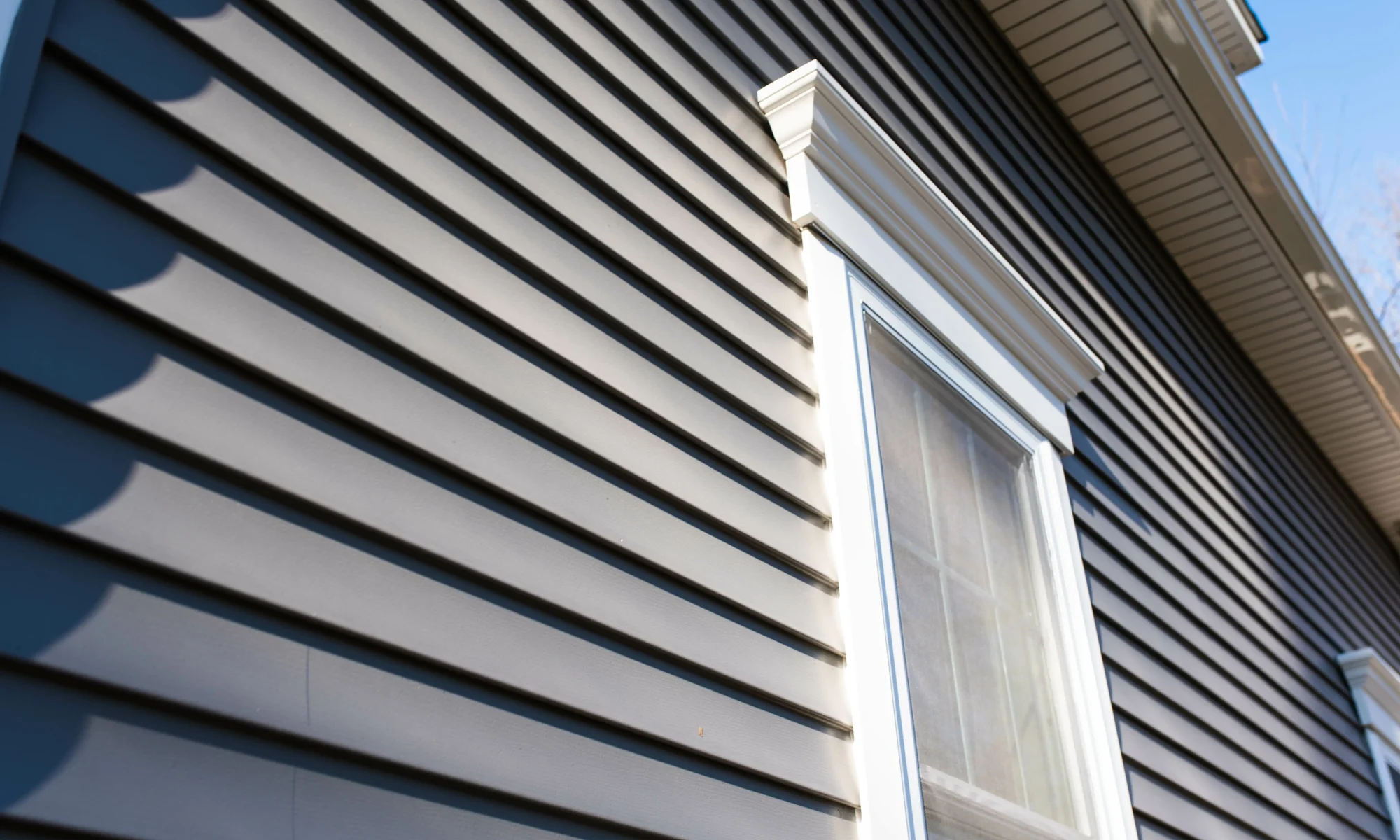
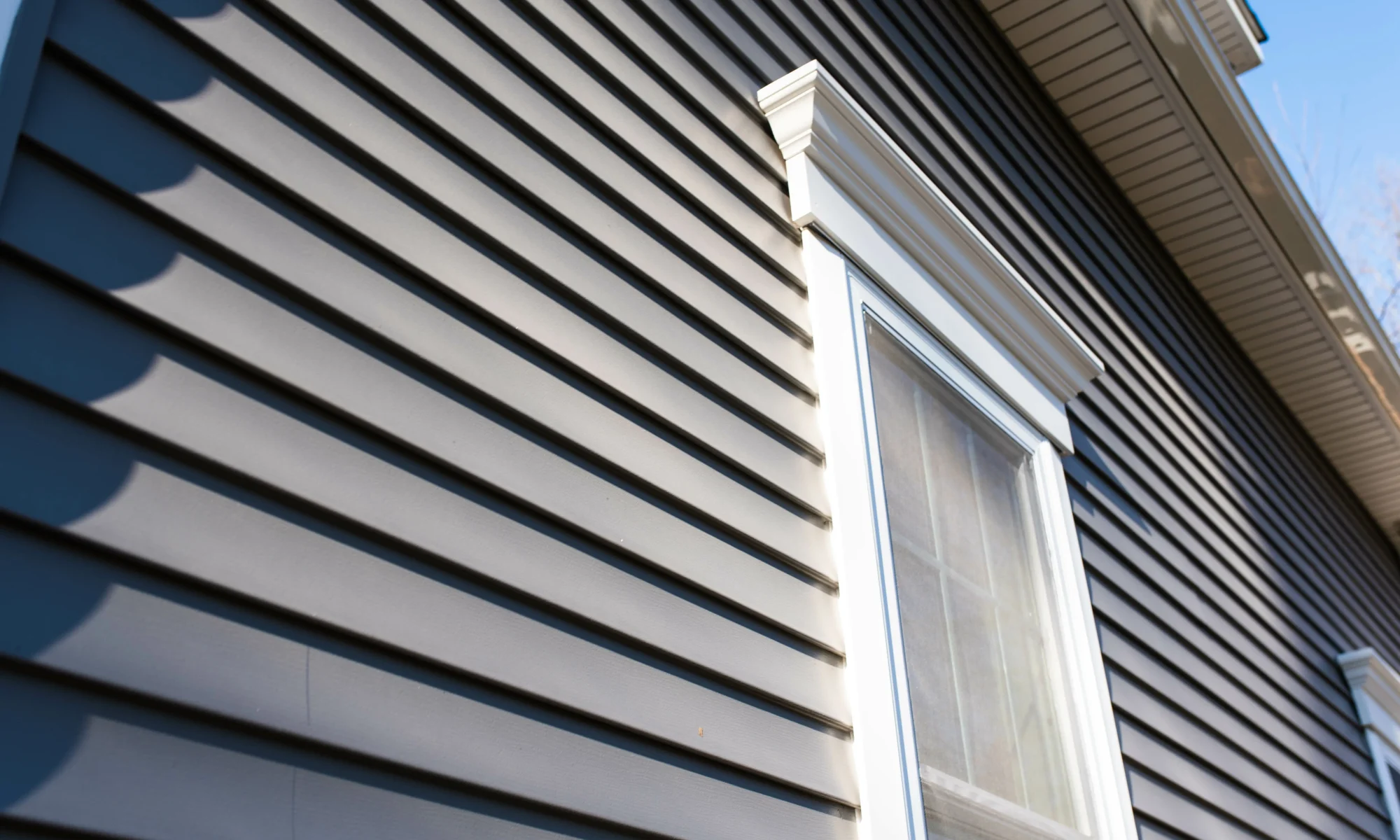
Siding contractors near me in Naperville
When severe weather hits, your home’s siding often faces the most damage. Knowing how to protect it and what to do if it gets damaged is crucial for every homeowner. This post offers valuable insights from professional siding contractors on safeguarding your siding and effectively handling repairs after a storm.
Preventing Storm Damage to Your Siding
Proactive steps can minimize the risk of damage to your siding. Here’s what siding contractors recommend:
- Choose Weather-Resistant Materials Invest in siding that can withstand harsh weather. Materials like fiber cement, engineered wood, or insulated vinyl are highly recommended by siding contractors for their durability.
- Secure All Siding Panels Regular inspections can reveal loose or damaged panels. Ensure all siding is firmly attached to prevent wind from ripping panels off your home.
- Maintain Surrounding Vegetation Trim trees and shrubs near your home. Overhanging branches can cause significant siding damage during storms.
- Keep Gutters in Good Condition Functional gutters prevent water overflow that can damage your siding. Regular cleaning and maintenance are essential.
- Add Protective Installations Installing storm shutters or impact-resistant barriers can protect your siding from flying debris.
Actions to Take If Your Siding Is Damaged
Should your siding sustain storm damage, siding contractors advise the following steps:
- Evaluate and Document the Damage Inspect your home thoroughly and take detailed photographs of any damage for insurance purposes.
- Notify Your Insurance Company Contact your insurer promptly to start the claims process, providing all necessary documentation.
- Consult with Professional Siding Contractors Professional repairs ensure your siding is restored correctly, preventing future issues.
- Consider Material Upgrades Use this opportunity to upgrade to more resilient siding materials, enhancing your home’s protection.
- Implement Routine Maintenance Schedule regular check-ups with siding contractors to maintain your siding’s condition and catch potential problems early.
Preparation and swift action are key in protecting your siding from storm damage. By following these guidelines and collaborating with expert siding contractors, you can ensure your home’s exterior remains robust against severe weather. Contact reputable siding contractors near me in Naperville in your locality for professional support in keeping your home safe and secure.
Carpet cleaning near me in Elmhurst
Carpets contribute significantly to the comfort and aesthetic of your home, but they also act as filters for dust, allergens, and dirt introduced through foot traffic, pets, and environmental factors. Regular carpet cleaning is essential not only to keep your carpets looking their best but also to ensure a healthy living space. But how often should you schedule professional carpet cleaning? The answer varies based on several household factors such as pets, allergies, and foot traffic. Let’s explore these elements to help determine the optimal carpet cleaning near me in Elmhurst frequency for your home.
Basic Recommendations
Most carpet manufacturers and cleaning professionals advise having your carpets professionally cleaned at least once a year. This interval helps remove the buildup of dirt and allergens that regular vacuuming cannot eliminate. However, this is a broad guideline, and specific household conditions may require more frequent cleanings.
Key Influences on Cleaning Frequency
- Pets in the Home
Pets add joy to our lives but also contribute to carpet dirt and allergens.
- Shedding and Dander: Pets shed fur and skin cells that accumulate in carpet fibers.
- Accidents and Odors: Pets may have occasional accidents or leave natural odors in carpets.
- Suggested Cleaning Schedule:
- With Pets: Every 6 to 9 months.
- Multiple Pets or High-Shedding Breeds: Every 3 to 6 months.
- Allergies and Respiratory Issues
If someone in your household has allergies, asthma, or other respiratory conditions, cleaner carpets can significantly improve indoor air quality.
- Allergen Accumulation: Dust mites, pollen, and pet dander can get trapped in carpets.
- Suggested Cleaning Schedule:
- Allergy Sufferers: Every 3 to 6 months.
- Severe Allergies or Sensitivities: Every 2 to 3 months.
- Foot Traffic Levels
The amount of foot traffic your carpets endure affects how quickly they become dirty.
- High Traffic: Large families, frequent visitors, or home-based businesses increase dirt buildup.
- Children at Home: Kids are more likely to spill, track in dirt, and cause wear.
- Suggested Cleaning Schedule:
- High Traffic Areas: Every 6 months.
- Moderate Traffic: Every 9 to 12 months.
- Low Traffic: Every 12 to 18 months.
- Indoor Smoking
Smoking indoors leads to the buildup of smoke residues and odors in carpets.
- Smoke Particles: These settle into carpet fibers, impacting air quality and causing discoloration.
- Suggested Cleaning Schedule:
- Indoor Smokers: Every 6 months.
- Warranty Requirements
Some carpet warranties require professional cleaning at specific intervals to remain valid.
- Manufacturer’s Guidelines: Not adhering to these can void your warranty.
- Suggested Cleaning Schedule:
- As Per Warranty Terms: Typically every 12 to 18 months.
Benefits of Regular Professional Carpet Cleaning
- Enhanced Air Quality: Removes pollutants and allergens trapped in the carpet.
- Extended Carpet Lifespan: Regular maintenance prevents premature wear.
- Improved Appearance: Keeps carpets looking fresh and vibrant.
- Odor Removal: Tackles smells from pets, spills, and smoke.
- Healthier Home Environment: Reduces the risk of mold and bacterial growth.
Maintaining Carpets Between Professional Cleanings
- Frequent Vacuuming: At least once a week, more often in high-traffic areas.
- Immediate Spill Management: Blot spills promptly to prevent stains.
- Use of Doormats and Rugs: Minimizes the amount of dirt entering your home.
- Implement a No-Shoes Policy: Reduces dirt and wear by leaving shoes at the door.
- Regular Pet Grooming: Decreases shedding.
The frequency of professional carpet cleaning depends on your household’s unique factors. By considering the presence of pets, allergy sufferers, foot traffic, and other specific conditions, you can establish a cleaning schedule that maintains your carpets’ appearance and promotes a healthier living environment. Regular professional carpet cleaning is an investment in your home’s longevity and your family’s well-being.
Foundation repair Near Northbrook
The foundation of your home plays a pivotal role in maintaining its stability and longevity. Over time, various elements such as shifting soil, changes in moisture levels, and general wear and tear can undermine your foundation, potentially leading to significant repair costs if not addressed timely. If you’re experiencing foundation issues, having a clear understanding of the foundation repair process can help you navigate the project with ease. Here’s an in-depth guide on what to expect from the beginning to the end of a typical foundation repair Near Northbrook project.
1. Initial Inspection and EvaluationSpotting the Issue
The foundation repair process starts with a comprehensive inspection by a qualified foundation contractor. During this stage, the contractor will:
- Look for Visible Signs: Inspect for cracks in walls, uneven flooring, doors that don’t close properly, and gaps around windows.
- Evaluate Structural Health: Utilize specialized tools and techniques to determine the extent of the damage and identify the root causes, such as soil movement, poor drainage, or previous construction errors.
Reporting Findings
After the inspection, the contractor will present a detailed report outlining their findings, the severity of the issues, and the proposed foundation repair solutions. This report is essential for planning the repair strategy.
2. Developing a Repair Plan and ProposalCustomized Repair Strategy
Based on the inspection results, the contractor will formulate a personalized repair plan, which typically includes:
- Repair Techniques: Deciding whether to use underpinning, piering, slabjacking, or other foundation repair methods.
- Materials Required: Selecting appropriate materials tailored to your foundation type and the specific issues identified.
- Project Timeline: Estimating the duration of the foundation repair project, including key milestones and expected completion dates.
Cost Estimation
A comprehensive cost estimate will accompany the repair plan, detailing expenses for labor, materials, permits, and any additional services. It’s important to review this proposal carefully and discuss any questions or concerns with your contractor before moving forward.
3. Securing Necessary Permits and ApprovalsCompliance with Building Codes
Foundation repair projects often require permits from local building authorities to ensure that the work adheres to safety and building standards. Typically, your contractor will handle the permit application process, but it’s advisable to confirm that all necessary approvals are obtained before work commences.
Informing Neighbors
In cases of extensive foundation repair, you might need to notify your neighbors about the upcoming work. This helps prevent misunderstandings and ensures a smoother project progression.
4. Preparing for the Repair WorkSite Preparation
Before initiating the foundation repair, the worksite must be prepared to ensure safety and accessibility. This involves:
- Protecting Interior Areas: Covering floors, walls, and furniture to shield them from dust and debris.
- Securing the Repair Zone: Installing barriers or signage to restrict unauthorized access to the work area.
- Setting Up Equipment: Bringing in necessary machinery and tools required for the foundation repair process.
Managing External Factors
Ensuring proper drainage around your home, repairing gutters, and managing vegetation can prevent future foundation issues and support the foundation repair efforts.
5. Carrying Out the Foundation RepairExecuting Repair Methods
Depending on the specific issues identified, the contractor will apply appropriate foundation repair techniques such as:
- Underpinning: Reinforcing the foundation by extending it to a more stable soil layer.
- Piering: Installing steel or concrete piers to lift and stabilize the foundation.
- Slabjacking: Injecting grout beneath the slab to raise and level it.
- Crack Sealing: Filling and sealing cracks to prevent water intrusion and further damage.
Continuous Oversight
Throughout the foundation repair process, the contractor will monitor progress to ensure that each step is executed correctly and that the foundation is stabilizing as intended.
6. Final Inspection and Quality ControlConcluding Assessment
Once the foundation repairs are complete, a final inspection is conducted to verify that all issues have been effectively addressed. This includes:
- Structural Integrity: Ensuring the foundation is secure and level.
- Aesthetic Quality: Checking the repair work for any visible imperfections or incomplete areas.
- Operational Functionality: Confirming that doors, windows, and floors operate smoothly without sticking or unevenness.
Quality Assurance Measures
Reputable foundation repair contractors typically offer warranties or guarantees for their work, providing assurance that the repairs will hold up over time. It’s important to understand the terms of these warranties and any required maintenance to maintain your foundation’s integrity.
7. Cleanup and RestorationDebris Removal
After the foundation repair, the worksite is thoroughly cleaned, removing any leftover materials, tools, and debris to restore your property to its pre-repair condition.
Restoring Surfaces
Any interior or exterior surfaces that were protected or altered during the repair process will be returned to their original state. This may involve repainting walls, reinstalling fixtures, or repairing landscaping.
8. Preventative Measures and Maintenance RecommendationsOngoing Maintenance
To prevent future foundation issues, consider implementing the following maintenance tips:
- Regular Inspections: Periodically examine your foundation for signs of damage or movement.
- Effective Drainage: Ensure that gutters and downspouts direct water away from your home’s foundation.
- Stable Moisture Levels: Maintain consistent moisture around your foundation by watering plants appropriately and managing landscaping.
- Prompt Crack Repairs: Address any minor cracks immediately to prevent them from expanding and causing significant damage.
Professional Consultations
Regularly consult with your foundation contractor to assess your foundation’s health and receive recommendations for maintaining its stability.
Having a clear understanding of the foundation repair process is essential for homeowners facing structural issues. From the initial inspection to the final cleanup, each step is crucial in ensuring a stable and secure foundation for your home. By partnering with experienced professionals and staying informed throughout the project, you can effectively manage foundation repairs and protect your investment for the future.